
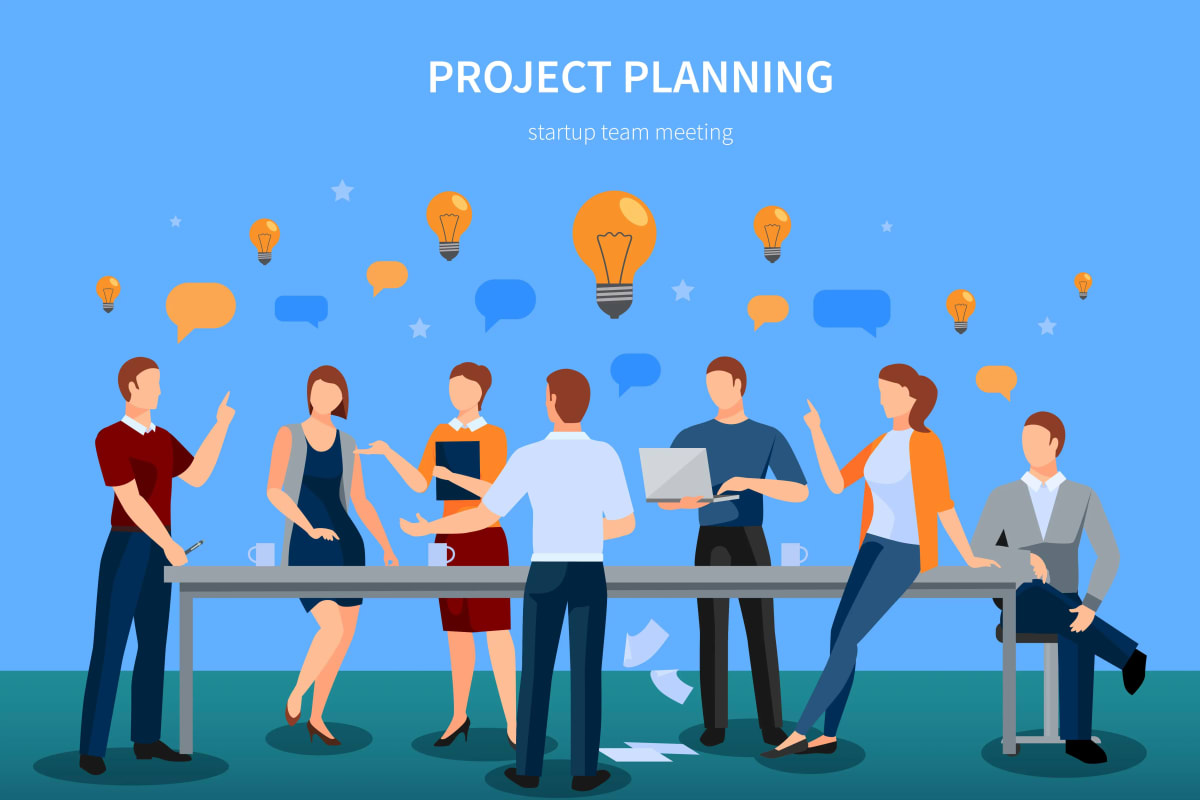
How to Build a High-Performing Project Team from Scratch
Behind every successful project is a team that trusted each other, understood their roles, and worked toward a shared goal with genuine commitment. Building that kind of team doesn't happen by accident. It requires deliberate selection, clear structure, intentional culture, and ongoing investment in people. Here's how to do it right.
Step 1: Define the Skills You Actually Need
Before adding a single person to your team, map the skills required by the project. Create a simple skills matrix that lists every required competency alongside the proficiency level needed.
This prevents the common mistake of building a team based on availability rather than capability — and it makes gaps visible before they become problems.
Step 2: Hire for Attitude, Train for Skill
Technical skills can be taught. Collaboration, accountability, and a solutions mindset cannot — not quickly, at least.
When selecting team members, especially for long-running projects, prioritize people with a track record of working well under pressure and across functions. One toxic high-performer can derail an otherwise excellent team.
Step 3: Establish Clear Roles and Responsibilities
Ambiguity is the enemy of performance. Use a RACI matrix to define who is Responsible, Accountable, Consulted, and Informed for every major deliverable.
Host a role-clarity session in the first week where each team member walks the group through their responsibilities. This surfaces misalignments before they create conflict.
Step 4: Build Psychological Safety from Day One
High-performing teams speak up. They flag risks early, admit mistakes quickly, and challenge each other's assumptions without fear of judgment.
As a project manager, you set the tone. Acknowledge your own mistakes openly. Reward those who raise concerns early. Never shoot the messenger. This culture of psychological safety allows teams to self-correct before problems escalate.
Step 5: Communicate with Ruthless Clarity
Every team member should know what they need to do today, how their work connects to the broader goal, and what success looks like.
Hold weekly team meetings focused on progress, blockers, and next steps. Send short, clear written updates after every major milestone. Over-communication beats under-communication every time.
Step 6: Recognize Performance and Address Issues Early
Recognition costs nothing and returns enormous dividends in team morale. Celebrate wins publicly and specifically — not just the final delivery, but the individual contributions along the way.
Equally important: address performance issues early and privately. Letting problems fester destroys team culture faster than any single mistake.
The Long Game
High-performing teams are not assembled — they are built over time through shared experiences, honest feedback, and mutual respect.
Invest in your people beyond their tasks. Understand their career goals, connect their project work to those goals, and advocate for their growth. Teams that feel seen and valued don't just perform — they excel.
The best project managers don't manage tasks. They develop people — and great people deliver great projects.



![Safety Culture on Gulf Worksites: 9 Proven Steps [2026]](https://res.cloudinary.com/saad5690/image/upload/c_fill,w_800,h_450,g_auto,q_auto,f_auto/posts/k7vd3lnwrmhthtexmzfa)